On March 22, 2026, a collision at LaGuardia Airport between an Air Canada plane and a fire truck brought air travel risks into sharp focus for New York travelers. While commercial aviation accidents are statistically rare, ground operations at busy airports involve heavy machinery, coordination challenges, and human error that can lead to serious injuries or fatalities. For victims and families, understanding your legal rights after an airport accident is critical.
Key Takeaways:
- The March 22 LaGuardia collision killed two pilots and injured 41 people when an Air Canada jet struck a fire truck during landing
- Airport ground accidents support personal injury or wrongful death claims that must be filed within strict New York deadlines
- Communication breakdowns between air traffic control and ground vehicles frequently contribute to runway collisions
- Multiple parties typically share liability in complex airport collision cases
- Experienced legal representation is not optional in aviation cases
When airport incidents cause harm, victims and their families may have legal options through personal injury or wrongful death claims. If you or a loved one has been injured in an airport accident in New York, White Plains, or the surrounding areas, contact the Law Offices of Michael H. Joseph PLLC at212-858-0503for a free consultation.
Legal representation helps protect your rights while you focus on recovery.
What Happened at LaGuardia Airport?
According to reports from the airliner-fire truck accident scene, a collision occurred between an Air Canada aircraft and an airport fire truck on the runway. The incident temporarily shut down operations at one of New York’s busiest airports, disrupting travel for thousands of passengers and raising questions about ground safety protocols.
LaGuardia Airport handles more than 31 million passengers annually across its two terminals. The facility serves as a critical hub connecting New York City to domestic and international destinations. With this volume of traffic, aircraft, service vehicles, baggage handlers, and emergency equipment constantly move through restricted areas where coordination failures can turn deadly.
The Complexity of Airport Ground Operations
Airport ramps, taxiways, and runways create environments where aircraft weighing hundreds of thousands of pounds move alongside fuel trucks, baggage tugs, catering vehicles, and emergency response units. Radio communication, visual signals, and standard operating procedures are supposed to govern these movements. Human error, equipment failure, and communication breakdowns still occur because these protocols depend on people actually following them.
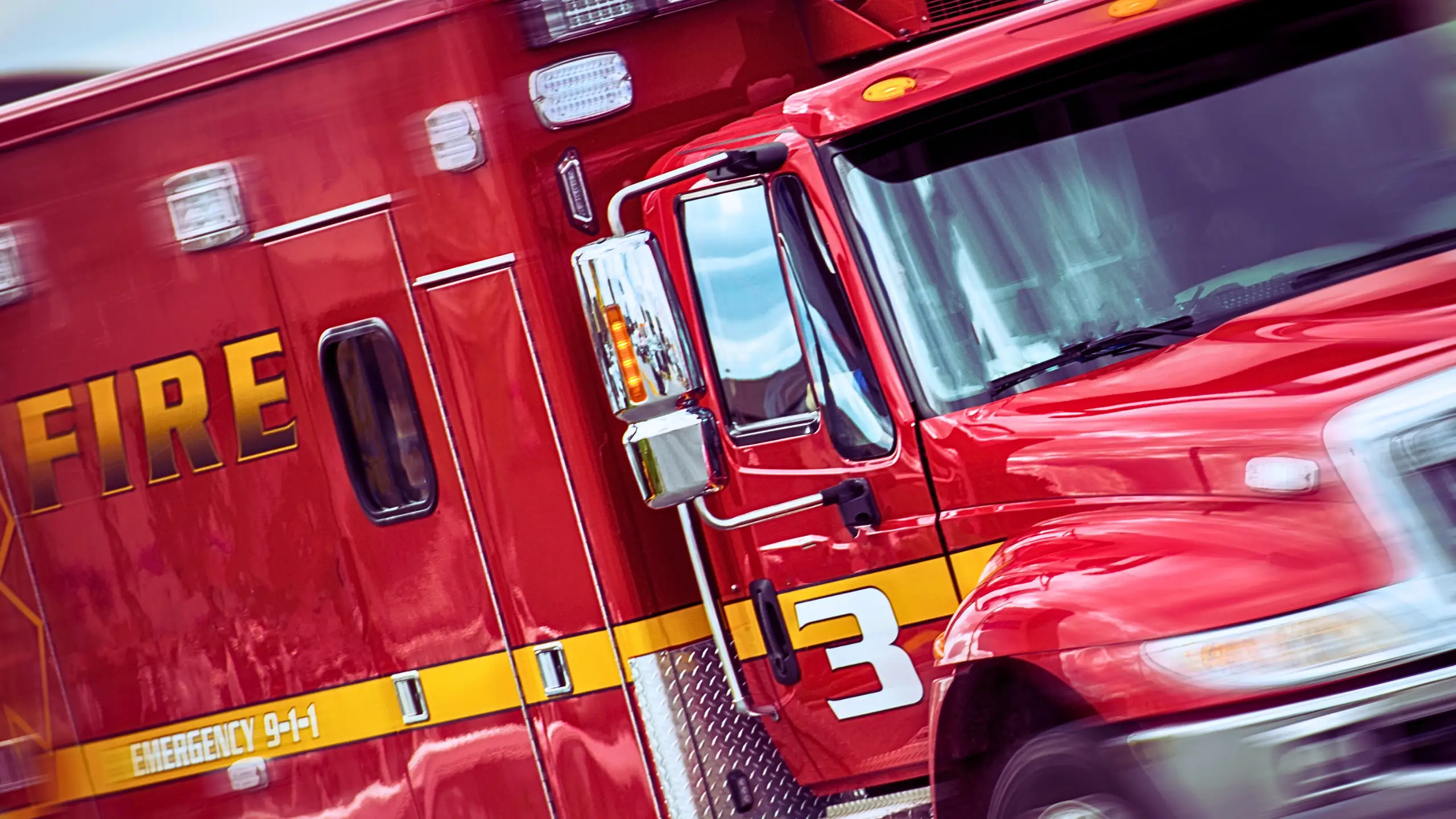
The LaGuardia fire truck had preliminarily been cleared and was responding to a United flight that requested assistance for an unknown odor in the cockpit. To get from the airport fire station to the United plane, the fire truck was granted permission to cross the runway where the Air Canada plane was landing. This positioning, while necessary for rapid response, creates collision risks when aircraft taxi, land, or take off. The question is whether they take adequate precautions, and the answer, too often, is no.
Who Can Be Injured in Airport Ground Accidents
Ground collisions at airports threaten multiple groups of people.
- Passengers aboard aircraft face risks during taxiing operations when their plane may strike or be struck by ground vehicles.
- Flight crews in cockpits have limited visibility of ground-level hazards.
- Cabin crews and passengers have no control over the aircraft’s path and must trust that ground operations follow proper protocols.
- Airport workers face different exposures. Baggage handlers, fuel technicians, aircraft mechanics, and ground crew members work in close proximity to moving aircraft and vehicles. These workers often operate under time pressure to maintain flight schedules, which can contribute to unsafe conditions.
- Firefighters and emergency responders stationed at airports face unique hazards when responding to incidents or conducting training exercises near active runways.
- Visitors and passengers moving through terminal areas, parking structures, or outdoor pickup zones may also be at risk if vehicles or equipment from airfield operations enter public spaces. The injured tourists category includes travelers from around the world who may not be familiar with local legal processes after suffering harm at New York airports.
Legal Rights After Airport Accidents
Victims injured in airport ground accidents may pursue compensation through personal injury lawyer claims. These cases require proving that negligence by one or more parties caused the accident and resulting injuries. Recoverable damages typically include medical expenses, lost wages, pain and suffering, and long-term care costs for permanent disabilities.
When accidents result in fatalities, family members may need a wrongful death lawyer to pursue claims on behalf of the deceased’s estate. New York’s wrongful death statute allows the personal representative of the estate to seek compensation for funeral expenses, medical costs incurred before death, and the economic value the deceased would have provided to their family.
Identifying Liable Parties
Airport accident cases often involve multiple liable parties.
- The airport authority may bear responsibility for maintaining safe operations, implementing proper protocols, and ensuring adequate training for personnel.
- Airlines may be liable for pilot error, inadequate crew training, or failure to follow established ground procedures.
- Equipment manufacturers could face claims if mechanical failures contributed to the accident. Fire truck manufacturers, for example, might be held accountable if brake failures or other defects prevented operators from avoiding a collision.
- Maintenance contractors may share liability if poor upkeep of vehicles or ground equipment played a role.
- Government entities that operate airports enjoy certain legal protections under sovereign immunity doctrines, but these protections are not absolute. Specific procedures must be followed when filing claims against government bodies, including notice requirements and shortened filing deadlines.
Time Limits for Filing Claims in New York
New York law imposes strict time limits for filing personal injury and wrongful death claims. Personal injury claims generally must be filed within three years of the accident date. The wrongful death statute of limitations in New York requires claims to be filed within two years from the date of death.
These deadlines are firm. Courts typically dismiss cases filed even one day late, barring rare exceptions. The two-year wrongful death deadline is particularly important for families to understand, as grief and logistical challenges following a loss can make time pass quickly.
Claims against government entities often involve even shorter notice periods. The New York Court of Claims Act requires claimants to file a notice of claim within 90 days of an incident involving a state entity. Municipal claims may require notice within 90 days as well, depending on the jurisdiction.
Understanding Emergency Vehicle Accident Laws
Fire trucks and other emergency vehicles operate under special legal considerations. Theemergency vehicle accidents category includes collisions involving fire trucks, ambulances, and police vehicles that may be responding to emergencies or conducting routine operations.
New York law grants emergency vehicles certain privileges, such as exceeding speed limits or proceeding through red lights when responding to emergencies with lights and sirens activated. However, these privileges do not provide blanket immunity from liability. Operators of emergency vehicles must still exercise due care and cannot act recklessly.
Standard of Care for Emergency Responders
When emergency vehicle operators cause accidents, courts examine whether the operator’s actions were reasonable given the circumstances. Factors considered include whether the vehicle was actively responding to an emergency, whether warning lights and sirens were in use, visibility conditions, and whether the operator took reasonable precautions to avoid harm.
In airport settings, fire trucks often position themselves near runways, not in response to active emergencies but as a precautionary measure. When accidents occur during these routine operations rather than emergency responses, the heightened privileges emergency vehicles typically enjoy may not apply, potentially making liability claims more straightforward.
How Legal Representation Helps Families
Navigating personal injury and wrongful death claims after airport accidents requires understanding complex areas of law. Aviation law, tort law, and administrative procedures intersect in these cases. Attorneys experienced in aviation accidents know how to investigate incidents, identify all potentially liable parties, and build comprehensive claims that account for both obvious and hidden damages.
Legal representation levels the playing field against well-funded defendants. Airlines, airports, and government entities typically employ experienced defense attorneys and insurance adjusters whose job is to minimize payouts. Having skilled legal counsel ensures victims and families receive fair treatment rather than being pressured into inadequate settlements.
Attorneys handle communication with insurance companies, negotiate settlements, and prepare cases for trial when necessary. This allows families to focus on healing and rebuilding their lives while legal professionals manage the complex litigation process.
For guidance following an airport accident or ground collision in the New York area, reach out to the Law Offices of Michael H. Joseph PLLC at 212-858-0503. Protecting your legal options begins with understanding your rights.
Frequently Asked Questions
Can I file a claim if a family member died in an airport ground accident?
Yes, New York’s wrongful death statute allows the personal representative of the deceased’s estate to file claims on behalf of qualifying family members. Claims must be filed within two years of the date of death. Eligible family members typically include surviving spouses, children, and parents.
What if the airport or airline says the accident was unavoidable?
Aviation accidents are rarely truly unavoidable. Most such accidents result from human error, equipment failure, inadequate training, or protocol violations. An experienced attorney can investigate the circumstances, identify failures in safety procedures, and build evidence showing that reasonable precautions could have prevented the harm.